Why are my crops not growing in Stardew Valley?
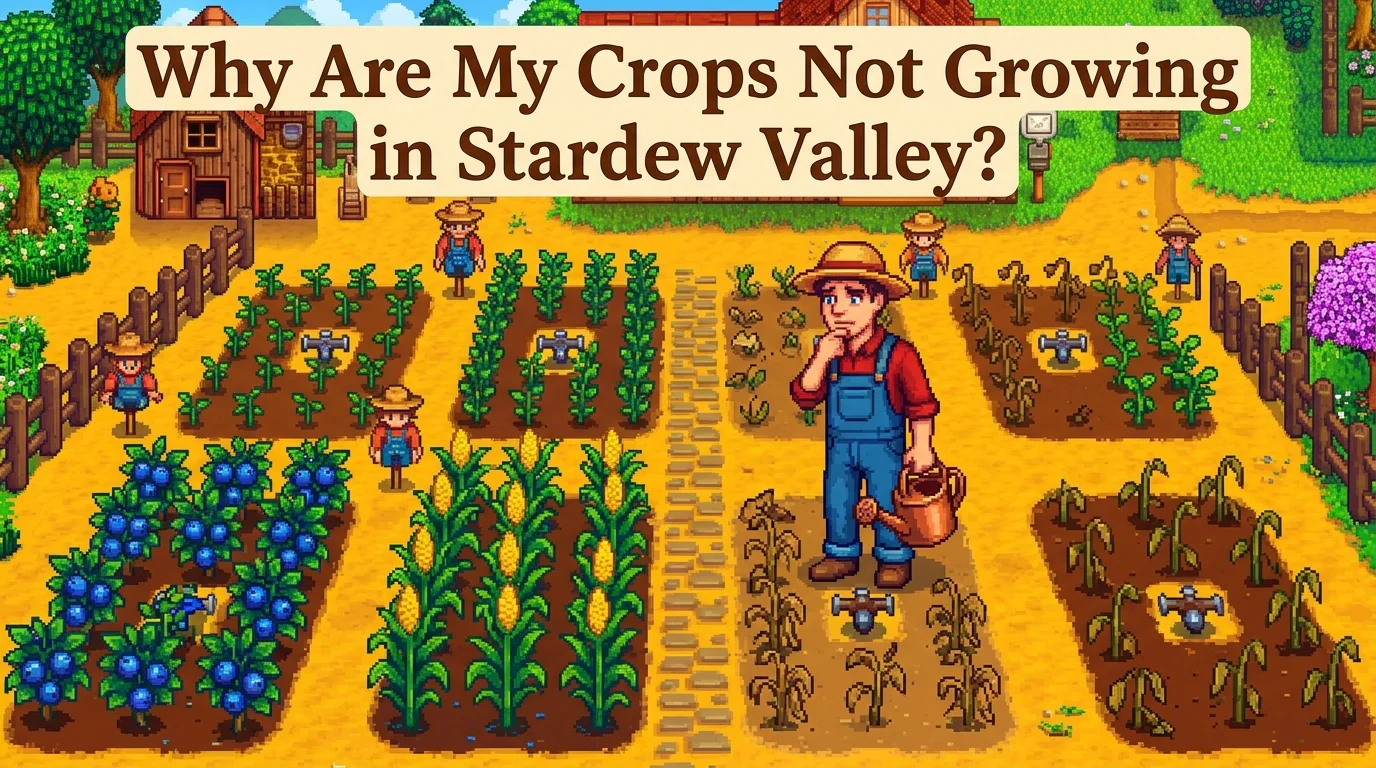
Growing crops is one of the most important parts of Stardew Valley, so it can be frustrating when your plants stop growing or fail to develop as expected. Many players assume their game is broken, but in most cases, the problem is caused by a simple farming mistake.
Several factors can affect crop growth, including seasonal restrictions, watering issues, weather conditions, and planting mistakes. If you’re new to farming, you can also download Stardew Valley APK to explore the game’s crop system and learn how different seasons, tools, and farm mechanics work together.
Why Crops Stop Growing in Stardew Valley
Crops can stop growing for several reasons, and the cause is not always obvious at first. In many cases, the problem is related to farming mechanics rather than a bug or game error.
Some crops fail to grow because they are planted in the wrong season, while others may be missing daily watering. Weather events, crop damage, and growth timing can also affect how quickly plants develop. Understanding these common issues is the first step toward getting your farm back on track.
Before replacing your crops or starting over, it is worth checking a few basic conditions that may be preventing normal growth.
Quick Checklist Before Fixing Your Crops
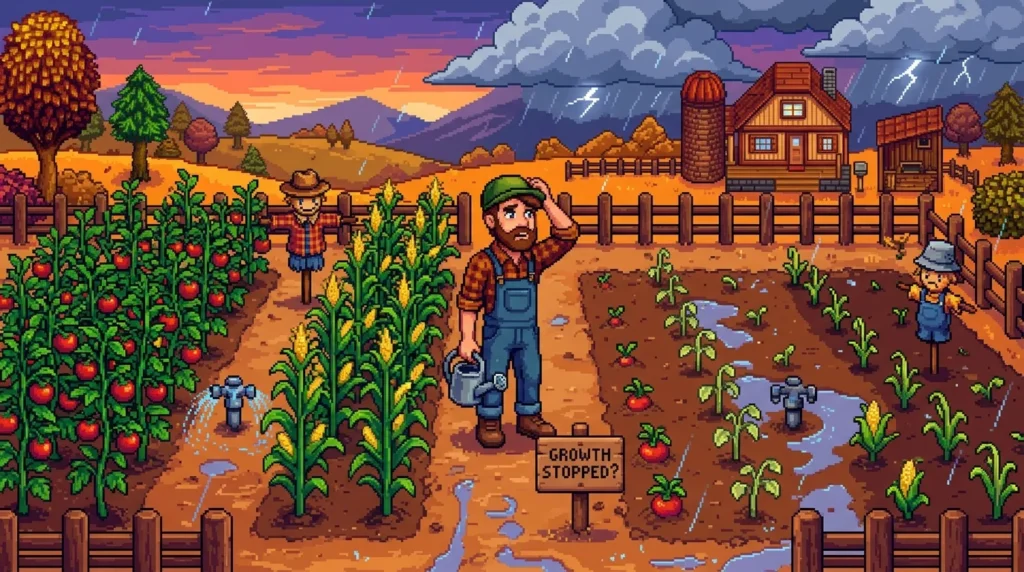
Before trying to solve the problem, go through this quick checklist:
Check the Season
Make sure the crop can grow during the current season. Many crops stop growing or disappear when the season changes.
Check Watering
Confirm that the crop is being watered every day. Crops that are not watered will pause their growth until they receive water again.
Check Growth Time
Some crops simply need more days to mature. Compare the current growth stage with the crop’s expected growth time.
Look for Crop Damage
Inspect your farm for signs of damage caused by crows, lightning, or other events that may have affected the crop.
Verify the Seed Type
Make sure you planted the correct seed. Different seeds have different growth requirements and harvest periods.
Check Nearby Tiles
Large objects, debris, or unusual farm layouts can sometimes make it harder to notice whether a crop is growing normally.
Reviewing these basic points can help you identify the issue quickly before making unnecessary changes to your farm.
Common Reasons Your Crops Are Not Growing
Most crop growth problems in Stardew Valley can be traced back to a few common mistakes. Checking the issues below can help you identify what is preventing your crops from developing properly.
The Crop Is Out of Season
Every crop has specific seasons in which it can grow. If you plant a crop outside its designated season, it will not develop as expected.
Crops Are Not Being Watered
Crops need regular watering to continue growing. Missing even a single day can delay progress and make it seem like growth has stopped.
Crows Have Damaged Your Crops
Without proper protection, crows may destroy crops on your farm. A damaged crop will no longer continue its normal growth cycle.
Lightning Strikes During Storms
Storms can occasionally damage crops, especially if your farm lacks sufficient lightning rods. This can leave affected plants unable to produce a harvest.
The Crop Needs More Growth Time
Some crops take longer to mature than others. If a plant appears unchanged for a short period, it may simply need additional days before reaching the next growth stage.
A Giant Crop Is Forming
Certain crops can eventually grow into giant versions under the right conditions. During this process, they may appear different from normal crops and cause confusion for new players.
You Planted the Wrong Seed
Using the wrong seed for a specific season or purpose can lead to unexpected results. Always double-check seed descriptions before planting.
Obstacles Are Blocking Growth
While crops generally have enough space to grow, poor farm organization can make it difficult to monitor their progress and identify potential issues.
How to Fix Crops That Are Not Growing
Once you identify the cause, fixing crop growth problems is usually straightforward. Most issues can be resolved without replanting your entire field.
Water Crops Consistently
Make sure every crop receives water each day unless it has been watered by rain or sprinklers. Consistent watering is essential for normal growth.
Plant Crops in the Correct Season
Always check seed descriptions before planting. Growing crops during their intended season prevents them from failing when the season changes.
Protect Crops From Crows
Place scarecrows around your farm to reduce crop damage. Proper coverage helps keep your plants safe throughout the growing season.
Use Lightning Rods
Lightning rods can help protect your farm during storms and reduce the risk of crop damage caused by lightning strikes.
Be Patient With Long-Growing Crops
Some crops naturally take more time to mature. If all other conditions are correct, allowing a few more days may solve the problem.
Replace Damaged Crops
If a crop has been destroyed by crows, lightning, or seasonal changes, you may need to remove it and plant a new seed.
Improve Farm Organization
Keeping crops arranged in clear rows makes it easier to spot watering problems, damaged plants, and other issues before they affect your harvest.
If you’re planning larger farm improvements and better field layouts, the Robin Stardew Valley guide can help you learn more about farm upgrades and construction options.
How Long Different Crops Take to Grow
Not all crops grow at the same speed in Stardew Valley. Some are ready to harvest within a few days, while others require more patience before reaching maturity.
| Crop | Growth Time |
|---|---|
| Parsnip | 4 Days |
| Potato | 6 Days |
| Kale | 6 Days |
| Cauliflower | 12 Days |
| Blueberry | 13 Days |
| Melon | 12 Days |
| Corn | 14 Days |
| Pumpkin | 13 Days |
Before assuming a crop is stuck, check its normal growth time. Many players think their crops have stopped growing when they simply need a few more days to mature.
Resource planning can also make farming more efficient. If you’re collecting materials for sprinklers, crafting, and farm upgrades, learn the best ways to get clay in Stardew Valley and build a steady supply for future projects.
Tips to Prevent Crop Growth Problems
Preventing crop issues is much easier than fixing them after they appear. A few simple habits can help keep your farm productive throughout every season.
Check Seed Information Before Planting
Always read the seed description to confirm the correct growing season and harvest time. This helps avoid planting crops that cannot mature before the season ends.
Water Crops Every Day
Regular watering is essential for healthy crop growth. If you manage a large farm, sprinklers can help ensure every crop receives water consistently.
Use Scarecrows for Protection
Scarecrows reduce the risk of losing crops to crows. Placing them strategically around your fields can protect a large number of plants.
Prepare for Seasonal Changes
Before a new season begins, harvest any crops that will not survive the transition. This prevents unexpected losses and helps you plan your next planting cycle.
Keep Your Farm Organized
Well-organized crop rows make it easier to monitor plant growth, identify damaged crops, and spot problems before they affect your harvest.
Monitor Weather Conditions
Storms can damage crops if your farm is not properly prepared. Using lightning rods can help reduce the impact of severe weather.
Players who prefer managing large farms and tracking crop progress on a bigger screen can also try Stardew Valley for PC, where farm planning and organization often feel more convenient.
Are Your Crops Glitched?
In most cases, crops that appear stuck are not actually glitched. The issue is usually related to watering, seasonal restrictions, crop damage, or growth timing. Checking these factors first can save you from unnecessary troubleshooting.
However, if your crops still are not growing after meeting all requirements, try restarting the game and checking for any updates. Players using modified versions of the game or save file editors may occasionally experience unexpected farming issues.
If you have made changes to your save data or farm settings, reviewing them carefully can help identify the problem. The Stardew Valley Editor guide explains how save file modifications work and what changes may affect gameplay progression.
Conclusion
Crop growth problems in Stardew Valley are usually caused by simple issues such as incorrect seasons, missed watering, crop damage, or misunderstanding a plant’s growth time. Fortunately, most of these problems can be fixed quickly once you identify the cause.
By checking your crops regularly, planting the right seeds, and keeping your farm organized, you can avoid many common farming mistakes. With proper planning and care, your crops will grow successfully, helping you earn more gold and make steady progress throughout the game.