How to Get Clay in Stardew Valley
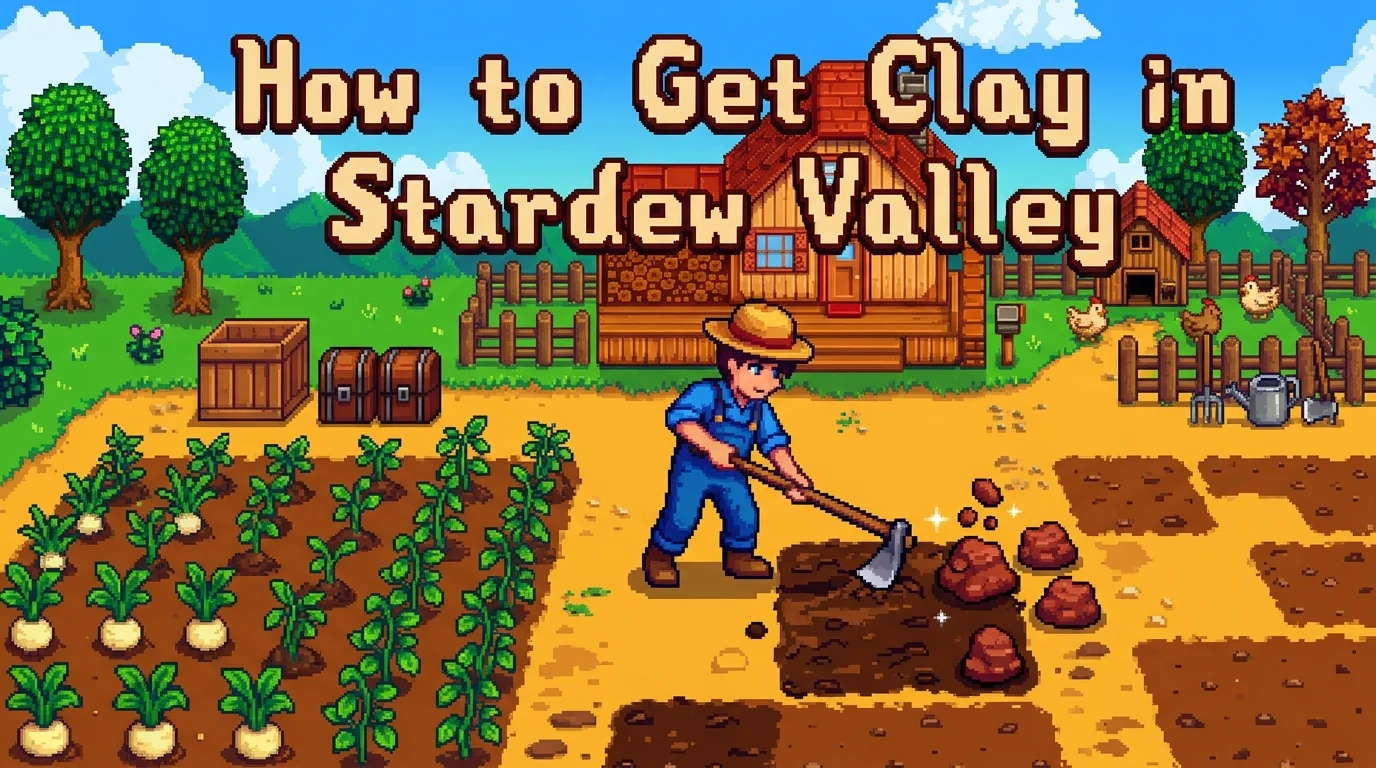
Clay is one of the most useful crafting materials in Stardew Valley, but many players struggle to find it when they need it most. Unlike wood or stone, clay does not come from a single source, which often leaves players wondering where to look.
Fortunately, there are several reliable ways to collect clay throughout the game. Whether you need it for crafting, farm projects, or special requests, knowing the best methods can save time and make resource gathering much easier. If you’re just getting started, you can also download Stardew Valley APK to explore the game’s crafting, farming, and resource management systems in full.
What Is Clay in Stardew Valley?
Clay is a basic resource used in various crafting recipes, construction projects, and quests throughout Stardew Valley. Although it may not seem valuable at first, it becomes increasingly important as you unlock more crafting options and farm upgrades.
Unlike many resources that come from trees, rocks, or monsters, clay is usually found by digging specific areas of the map. Because of this, players often collect it gradually while exploring, farming, or searching for other resources. Keeping a small supply of clay on hand can be useful for future crafting and building requirements.
Clay Quick Information Table
Before collecting clay, it helps to understand where it comes from and how it is commonly used. The table below provides a quick overview of this resource.
| Resource | Clay |
| Category | Crafting Material |
| Main Sources | Digging Soil, Artifact Spots, Beach Sand |
| Tool Required | Hoe |
| Found Throughout the Year | Yes |
| Used for Crafting | Yes |
| Used for Buildings | Yes |
| Required for Quests | Sometimes |
| Stackable Item | Yes |
| Selling Price | 20g |
Clay is not difficult to find once you know where to look, but collecting large amounts may require dedicated digging and exploration.
Best Ways to Get Clay in Stardew Valley
Clay can be obtained from several sources, but some methods are much more effective than others. Knowing where to search can help you collect clay faster when you need it for crafting or construction.
Digging Soil
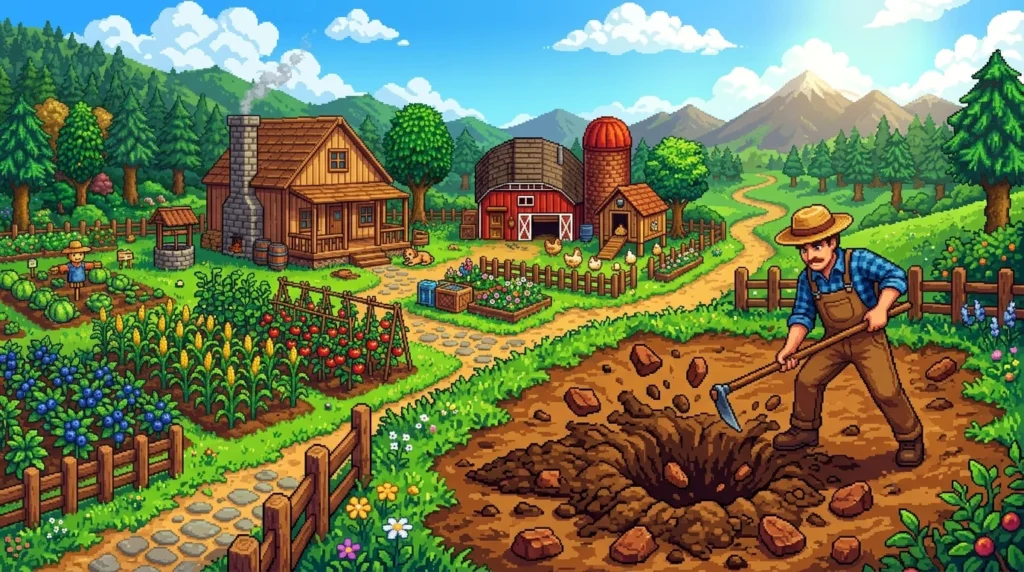
One of the most common ways to find clay is by using a hoe on dirt tiles. Players often discover clay while preparing farmland or clearing areas around the map.
Artifact Spots
Artifact Spots, identified by the small worms moving on the ground, have a chance to contain clay when dug up. These spots appear in different locations throughout the year and can provide a steady source of resources.
Hoeing Beach Sand
The beach is another useful location for finding clay. Digging patches of sand can occasionally reward players with clay along with other hidden items.
Mining and Other Sources
While clay is mainly obtained by digging, it can also appear through certain activities and resource-gathering methods. Exploring different areas regularly increases your chances of collecting extra clay over time.
If you’re planning farm expansions or building projects that require resources, the Robin Stardew Valley guide can help you understand construction options and upgrades available for your farm.
Fastest Way to Farm Clay
If you need clay quickly, focus on the methods below:
Dig Soil Regularly
Use a hoe on dirt tiles around your farm and other areas of the map. This is one of the most reliable ways to find clay.
Check Artifact Spots Daily
Dig up worm-like Artifact Spots whenever they appear. These spots often contain clay along with other useful resources.
Search Large Open Areas
Areas with plenty of soil give you more chances to uncover clay in a shorter amount of time.
Carry a Hoe While Exploring
Keeping a hoe with you allows you to collect clay whenever you find a suitable digging location.
Visit the Beach
Hoeing sandy areas can occasionally reward you with clay and other buried items.
What Is Clay Used For?
Clay may seem like a simple resource, but it has several important uses throughout Stardew Valley. As you progress through the game, you’ll often need clay for crafting, building projects, and occasional requests.
Crafting Recipes
Clay is used in a variety of crafting recipes. Many useful items require clay as one of their ingredients, making it a resource worth saving rather than selling immediately. Players who also collect ingredients for cooking can explore the Eel Stardew Valley guide to learn how Eel is used in recipes such as Fried Eel and Spicy Eel.
Farm Buildings and Projects
Some farm improvements and construction-related tasks require resources that players collect over time, including clay. Keeping a stockpile can help you prepare for future upgrades and expansions.
Quests and Special Requests
Certain quests and requests may ask for clay or items crafted with it. Having extra clay available can save time when these opportunities appear.
Resource Storage
Because clay is used in multiple areas of the game, many experienced players keep a small reserve in storage. This helps avoid unnecessary digging sessions when a recipe or project suddenly requires more materials.
Common Mistakes When Looking for Clay
Finding clay is not difficult once you know where to search, but many players waste time because they overlook a few basic details.
Ignoring Artifact Spots
Many players walk past Artifact Spots without digging them up. These small worm-like spots can contain clay along with other valuable items.
Not Carrying a Hoe
Clay is mainly obtained through digging, so leaving your hoe at home can cause you to miss easy collection opportunities while exploring.
Selling Clay Too Early
Because clay is used in crafting and farm projects, selling every piece can create shortages later when you need it for important tasks.
Searching Only One Location
Some players limit their search to the farm. However, clay can be found in multiple areas, including dirt paths, open soil, and beach sand.
Waiting Until Clay Is Needed
A common mistake is looking for clay only after a recipe, quest, or building project requires it. Collecting and storing clay whenever you find it helps avoid delays later in the game.
Tip: Keeping a small stockpile of resources is a good habit in Stardew Valley. It saves time and makes future crafting, farming, and upgrade projects much easier to complete.
Is Clay a Rare Resource?
No, clay is not considered a rare resource in Stardew Valley. However, it can sometimes feel difficult to find because it does not come from a single, predictable source like wood or stone.
Most players collect clay gradually while digging soil, uncovering Artifact Spots, and exploring different areas of the map. Once you know where to look, gathering clay becomes much easier and more consistent.
The best approach is to collect clay whenever you find it instead of waiting until a recipe or project requires it. Over time, this helps build a useful supply that can be used for crafting, quests, and farm development.
Conclusion
Clay is a useful resource that supports crafting, farm projects, and various in-game activities throughout Stardew Valley. Although it may seem uncommon at first, collecting clay becomes much easier once you know the best places to dig and which methods provide the most reliable results.
By regularly checking Artifact Spots, carrying a hoe while exploring, and storing extra clay for future use, you can avoid resource shortages and stay prepared for upcoming projects. A small supply of clay can save time later and help you progress more efficiently as your farm continues to grow.